Remote work has been hailed as a game-changer for workplace flexibility, especially for women who often juggle multiple roles as professionals, caregivers, and homemakers. But beneath the surface of this seemingly utopian arrangement lies a harsh reality: remote work, while offering short-term benefits, may actually be limiting long-term career growth for women. This is a controversial take, but one that needs to be said. Let’s challenge the common wisdom and explore the uncomfortable truths about how remote work might be holding women back in their careers.

1. Out of Sight, Out of Mind: The Proximity Bias Problem
One of the most insidious truths about remote work is that it exacerbates proximity bias—the tendency for leaders to Favor employees who are physically present in the office. While this bias affects everyone, it disproportionately impacts women, who are more likely to opt for remote work due to caregiving responsibilities. When you’re not in the room where decisions are made, you’re less likely to be considered for promotions, high-visibility projects, or mentorship opportunities. This isn’t just speculation; studies show that remote workers are often overlooked for advancement. For women, this can mean being stuck in a career rut while their in-office peers climb the ladder.

2. The Double-Edged Sword of Flexibility
Remote work offers flexibility, but that flexibility often comes at a cost. For many women, working from home means being expected to multitask—balancing Zoom calls with childcare, housework, and other unpaid labour. This “always-on” mentality can lead to burnout and reduced productivity, which in turn can harm performance reviews and career progression. Worse, this dynamic reinforces traditional gender roles, trapping women in a cycle where they’re expected to be the primary caregivers even as they pursue professional careers. Remote work doesn’t liberate women from these expectations; it often entrenches them.

3. Networking in a Virtual World Is an Uphill Battle
Career advancement isn’t just about doing your job well; it’s about building relationships, finding mentors, and cultivating a professional network. In a remote work environment, these opportunities are significantly harder to come by. Casual hallway conversations, coffee chats, and after-work socials—all of which are critical for networking—are largely absent in a virtual setting. For women, who already face barriers to accessing informal networks (often dominated by men), remote work can further isolate them from the connections that drive career growth. The result? Women miss out on the mentorship, sponsorship, and advocacy that are essential for climbing the corporate ladder.
4. Remote Work Can Amplify Gender Stereotypes
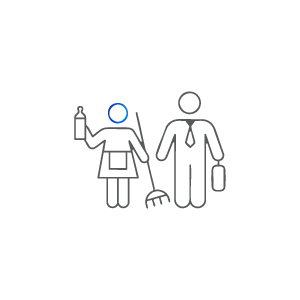
Remote work has a way of magnifying existing gender biases. For example, women who work from home are often perceived as less committed or less ambitious than their in-office counterparts, even if they’re putting in the same hours and delivering the same results. This stereotype is rooted in outdated notions that equate physical presence with dedication. Additionally, women who take advantage of flexible schedules to manage caregiving responsibilities may be unfairly labelled as “distracted” or “unfocused.” These biases can have a chilling effect on women’s career trajectories, limiting their opportunities for advancement.

5. The Illusion of Work-Life Balance
Remote work is often marketed as the ultimate solution for achieving work-life balance. But for many women, it’s anything but. Without clear boundaries between work and home life, women often find themselves working longer hours and struggling to disconnect. This is especially true for those who feel the need to “prove” their productivity in a remote setting. Over time, this can lead to burnout, decreased job satisfaction, and even exits from the workforce altogether. The promise of balance becomes a trap, leaving women overworked and undervalued.
6. The Leadership Gap Widens
Leadership roles require visibility, influence, and the ability to build strong relationships—all of which are harder to achieve in a remote environment. For women, who are already underrepresented in leadership positions, remote work can make it even more difficult to break into the C-suite. The lack of face-to-face interaction can hinder their ability to showcase leadership qualities, advocate for their ideas, and build the trust needed to ascend to higher roles. As a result, the leadership gap between men and women may widen, rather than narrow, in a remote-first world.
7. Remote Work Isn’t a Fix for Systemic Issues
At its core, remote work is a Band-Aid solution for deeper systemic issues like unequal caregiving responsibilities, workplace discrimination, and lack of support for working mothers. While it provides temporary relief, it doesn’t address the root causes of gender inequality in the workplace. In fact, by pushing women into remote roles, companies may be absolving themselves of the responsibility to create more inclusive, equitable workplaces. True progress requires structural change—not just a change of scenery.
The Bottom Line
Remote work isn’t the career saviour it’s often made out to be—at least not for women. While it offers undeniable benefits in terms of flexibility and work-life integration, it also comes with significant drawbacks that can limit long-term career growth. From proximity bias and networking challenges to entrenched gender stereotypes and burnout, the pitfalls of remote work are real and disproportionately affect women.
If we truly want to support women in the workplace, we need to look beyond remote work as a panacea. We need to address the systemic barriers that hold women back, challenge outdated biases, and create environments where women can thrive—whether they’re in the office or working from home. The conversation about remote work and women’s careers is far from over, and it’s time to start asking the hard questions. Because the brutal truth is this: remote work alone won’t solve gender inequality. In fact, it might just make it worse.